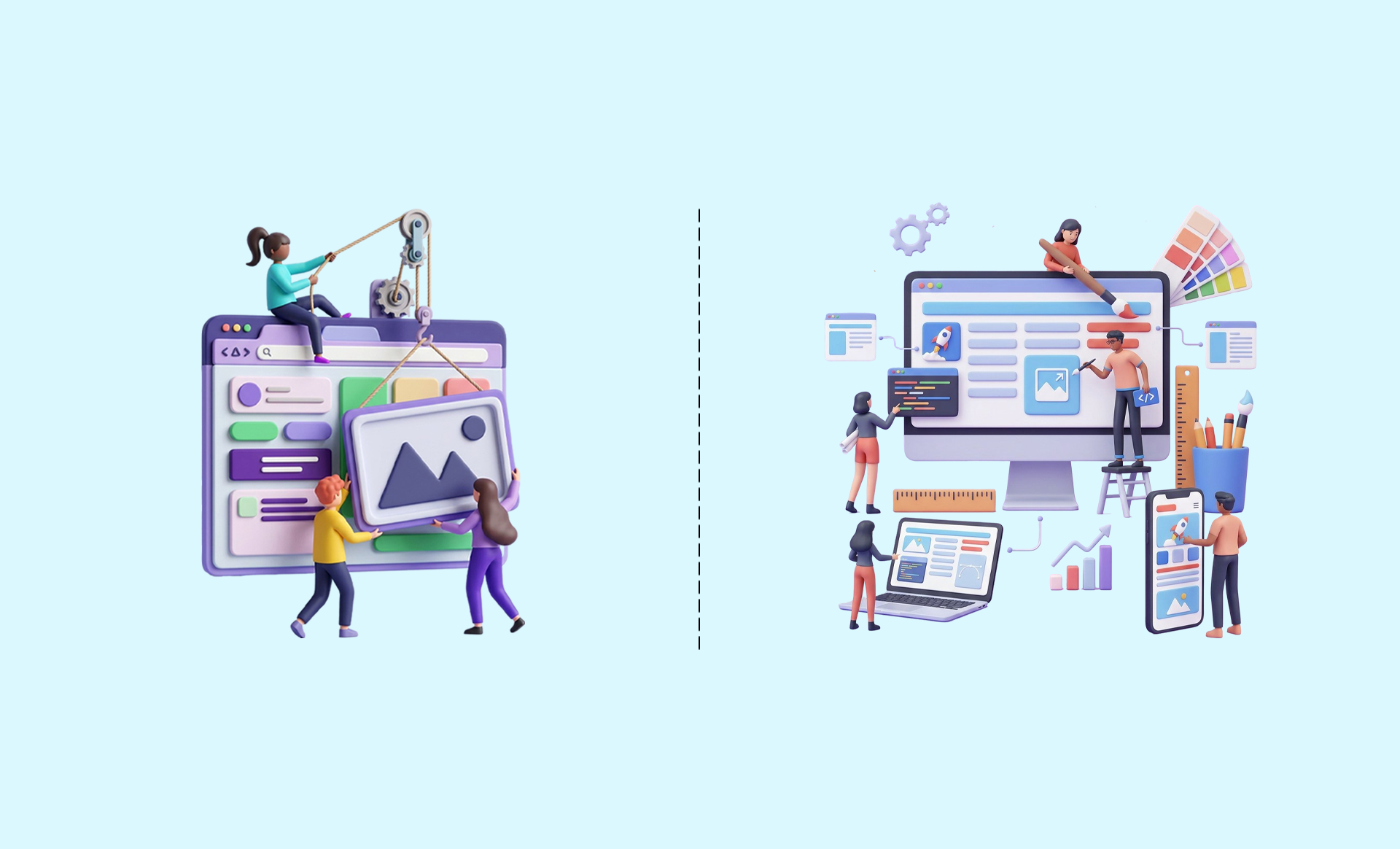
When it comes to your online presence, the choice between a website redesign and building a new website from scratch can feel overwhelming. Both options have their merits, and the right decision depends on a variety of factors specific to your needs. Let’s break down the key considerations to help you make an informed choice.
Assessing Your Current Website
Before deciding on a redesign or a new site, take a good look at your current website. What’s working? What’s not? Consider the following:
- Content Quality: Is your content still relevant and engaging? If it’s outdated or lacks clarity, a redesign may be all you need.
- User Experience: Are visitors navigating easily? If you’ve received feedback about confusion or difficulty, it might indicate a need for a redesign.
- Performance Metrics: Analyze your website’s analytics. High bounce rates or low conversion rates are red flags that either a redesign or a new site might be necessary.
- Technical Issues: If your site is slow, frequently crashes, or isn’t mobile-friendly, it might be time to consider a new build.
Taking stock of these elements will give you a clearer picture of whether a redesign can address your concerns or if you need a completely fresh start.
When to Consider a Website Redesign
A website redesign can breathe new life into your existing site without starting from scratch. Here are some scenarios where a redesign might be the best option:
- Visual Refresh: If your site looks dated or doesn’t align with your brand’s current image, a redesign can modernize its appearance.
- Minor Functionality Upgrades: If you want to improve specific features, such as adding a blog or enhancing e-commerce capabilities, a redesign can accomplish this without the complexity of a new build.
- SEO Improvements: If you’re looking to boost your search engine rankings, a redesign can incorporate SEO best practices, optimizing your existing content and structure.
- Cost-Effectiveness: Redesigns are generally less expensive than starting from scratch. If your budget is tight, it’s a practical choice.
Redesigns are perfect for businesses that want to maintain their established brand while making necessary improvements.

When to Opt for a New Website
Sometimes, a redesign simply won’t cut it. Here are instances when building a new website makes more sense:
- Significant Business Changes: If your business model has evolved—say you’ve expanded your services or changed your target audience—a new website can better reflect these changes.
- Outdated Technology: If your current site is built on outdated technology that can’t support modern features, a new build is necessary.
- Brand Rebranding: If you’re undergoing a complete rebranding, a new website allows for a fresh slate that aligns perfectly with your new identity.
- Scalability Concerns: If you anticipate significant growth or changes in the future, starting fresh might allow for a more scalable solution.
Choosing to build a new website is a big commitment, but it can set you up for long-term success if your current site no longer meets your business needs.

Budget Considerations
Budget is often a deciding factor in whether to redesign or build a new website. Generally, a redesign is less expensive, but it’s crucial to evaluate the full scope of the project. Here are some financial considerations:
- Initial Costs: Redesigns tend to be cheaper upfront, but if you require extensive changes, costs can add up.
- Long-Term Investment: A new website might be more costly initially, but it could save you money in the long run by being more efficient and easier to maintain.
- Hidden Costs: With both options, be aware of potential hidden costs like ongoing maintenance, hosting fees, and updates.
Make sure to outline your budget clearly so you can weigh the options realistically.
Gathering Feedback and Making Decisions
Before finalizing your decision, it’s essential to gather feedback from stakeholders, including employees, customers, and web experts. Conduct surveys or focus groups to get a sense of what features and designs might be most beneficial.
Once you have all this information, consider creating a pros and cons list for both options. This visual representation can often clarify your decision-making process.
Your Next Steps in the Decision-Making Process
Whatever route you choose, here are some steps to ensure a smooth transition:
- Set Clear Goals: Define what you want to achieve with your website, whether through a redesign or a new build.
- Research Providers: If you’re not doing the work yourself, find reputable web designers or developers who align with your vision.
- Plan the Timeline: Websites don’t happen overnight. Develop a timeline that includes milestones and deadlines.
- Prepare for Launch: Whether it’s a redesign or a new website, have a plan for testing, feedback, and a marketing strategy to announce the launch.
Taking these steps will not only help you make the right decision but also set you up for a successful website experience moving forward.